
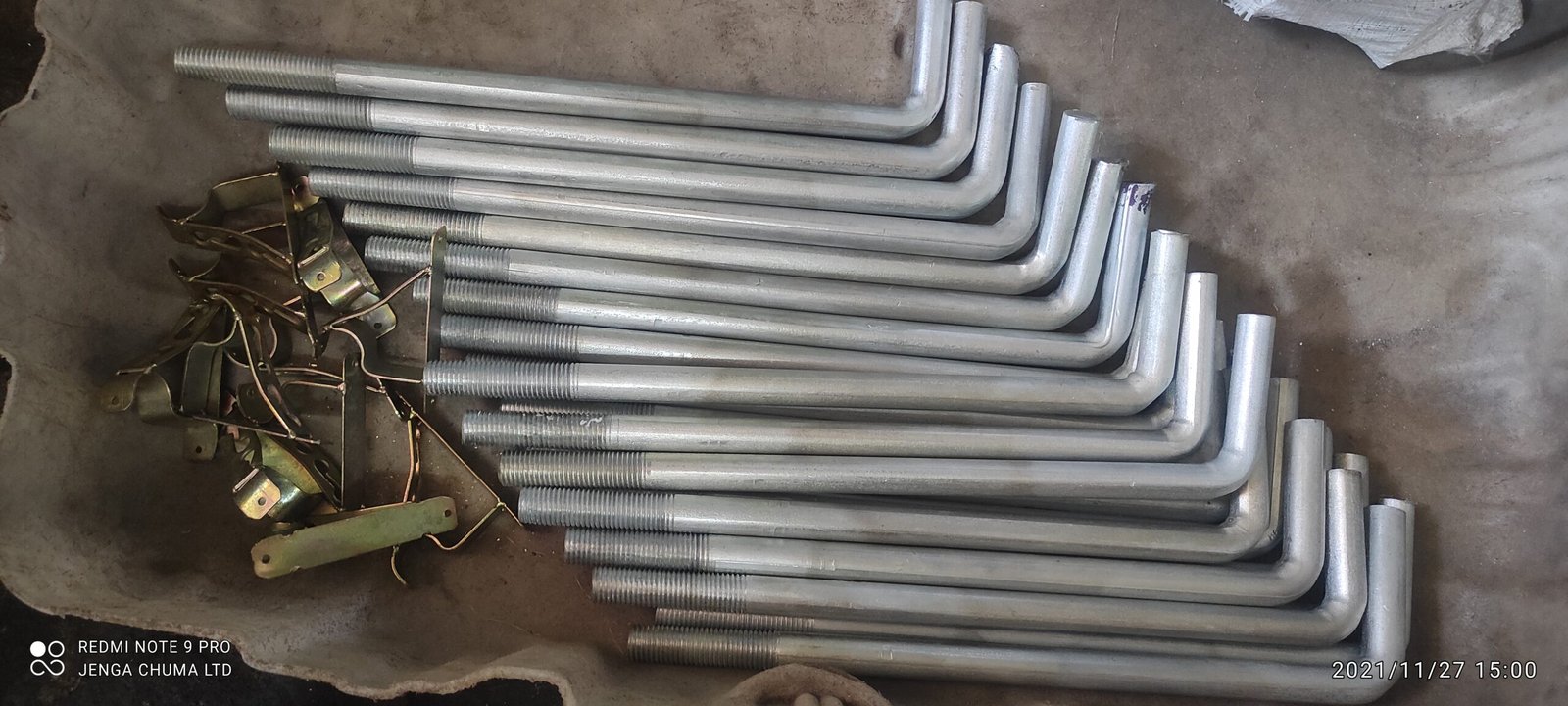
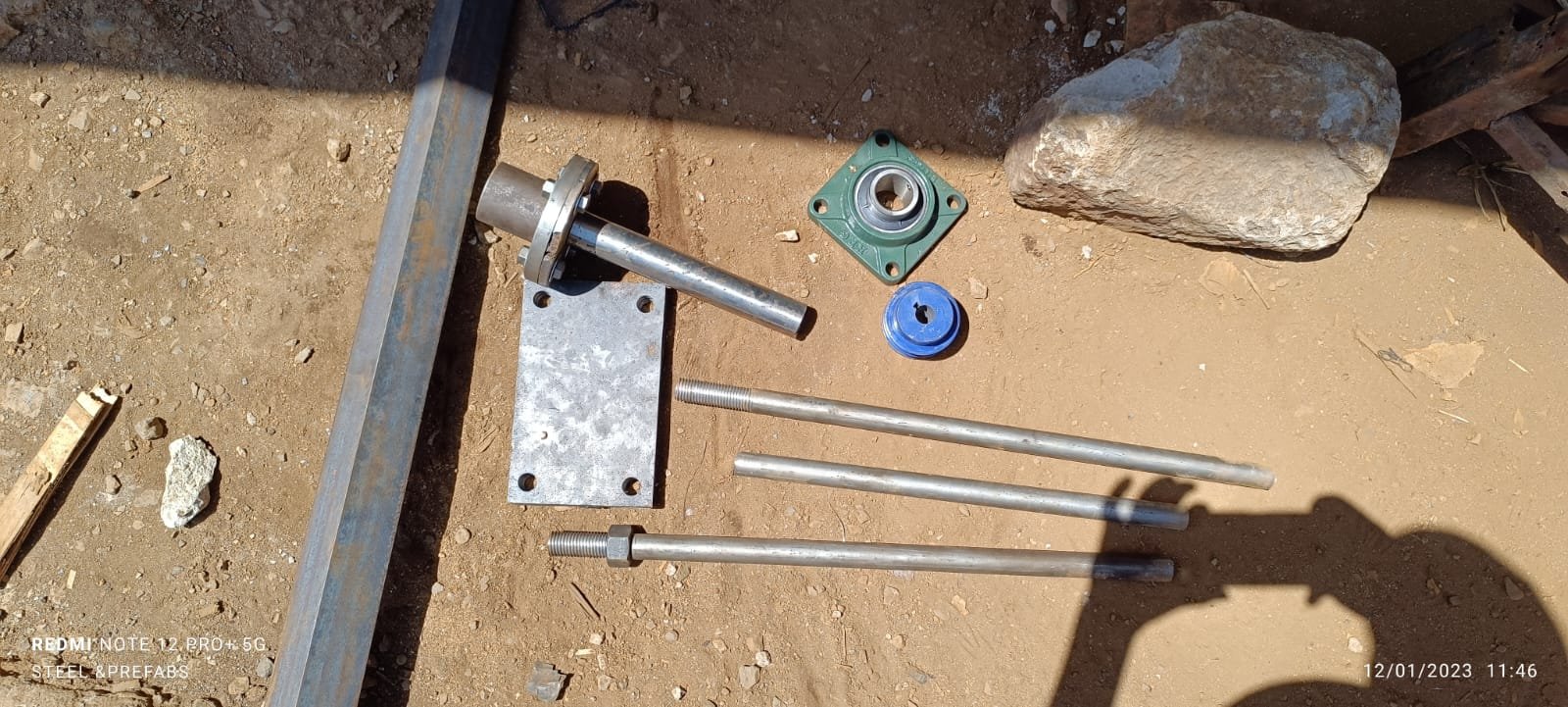
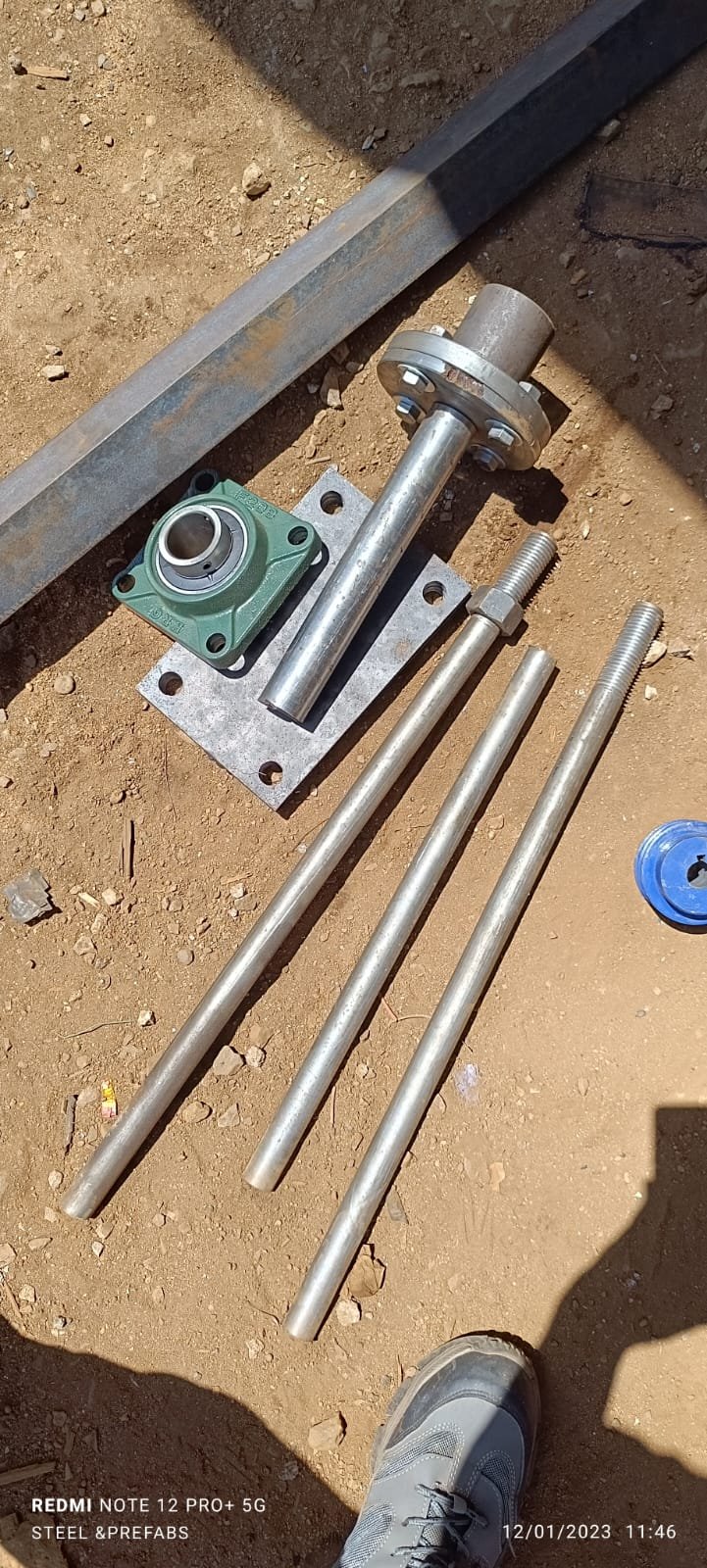
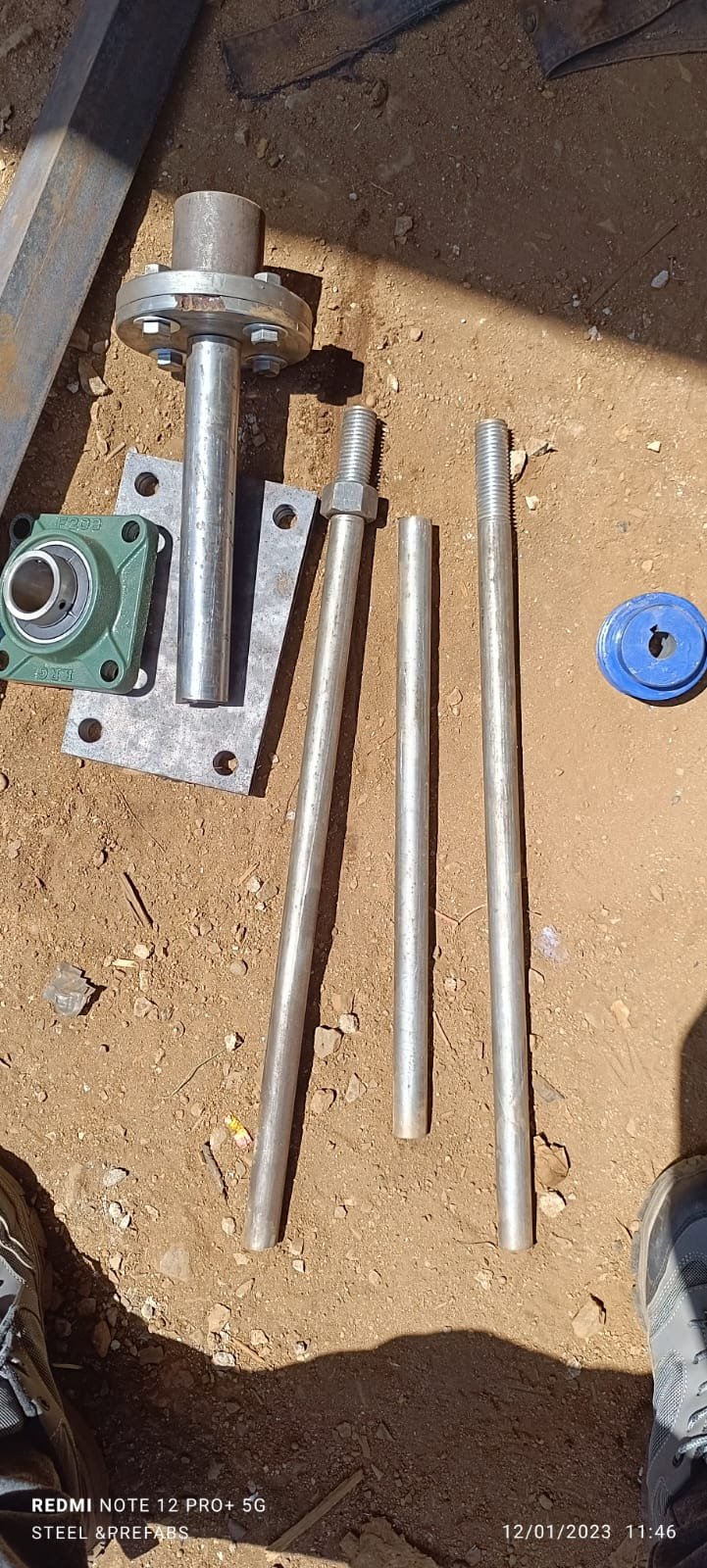
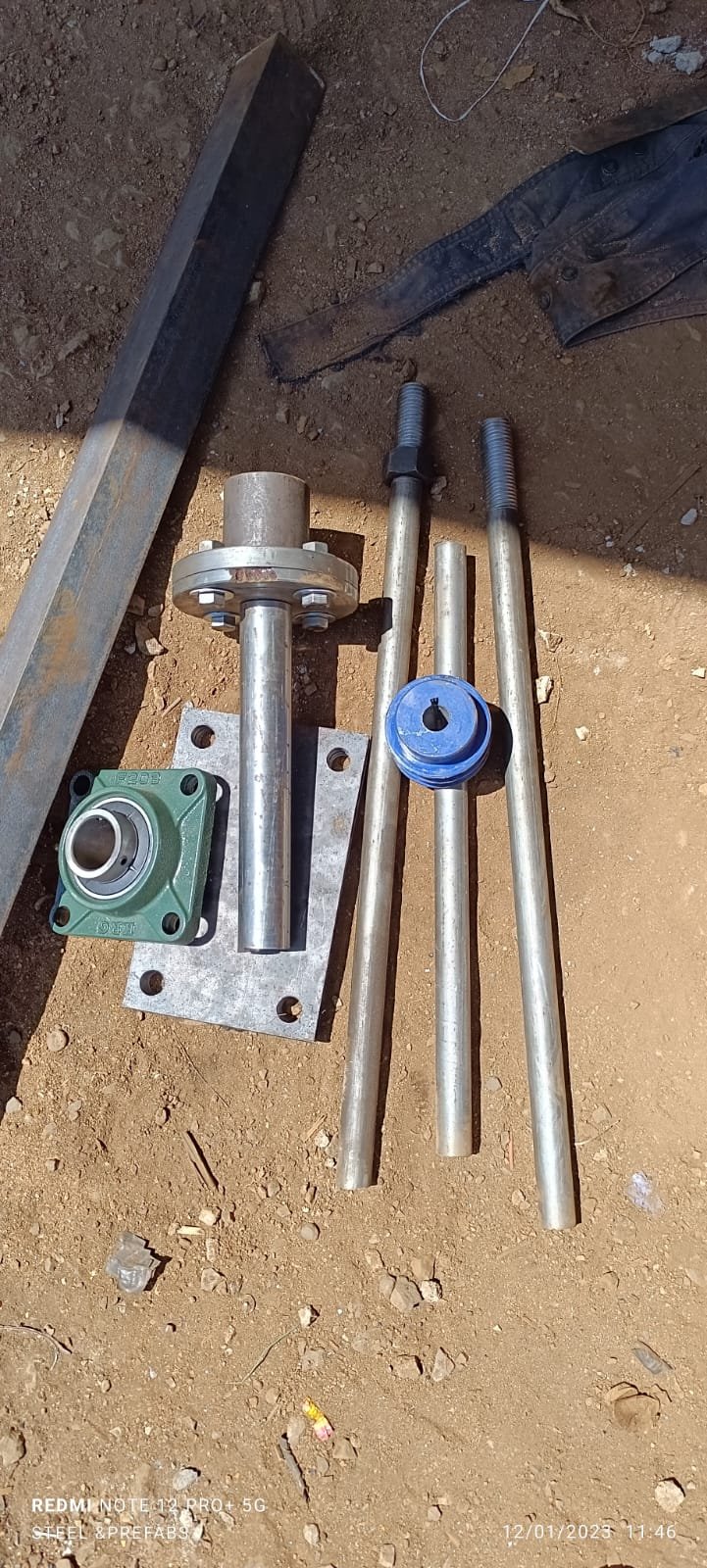
Lag Bolts & Screws Built for Strength
Lag bolts are threaded fasteners designed to connect heavy timber, steel, or composite materials. At Steel & Prefabs, our lag bolts and screws are manufactured to deliver high tensile strength, excellent shear resistance, and long-term durability for industrial and structural applications.
Small fasteners carry big responsibilities. Incorrect choice or installation compromises safety and structural integrity.
Why Lag Bolts & Screws Matter
In both steel and wood construction, lag bolts:
-
Secure beams, columns, and heavy members
-
Resist shear, tension, and pull-out forces
-
Maintain alignment and stability under dynamic loads
-
Provide durable fastening for long-term use
Lag screws serve similar functions in applications requiring screw threads for deeper engagement in wood or composite members. Improper fasteners here create weak joints, misalignment, or structural failure.
Engineered for Real Loads
Our heavy-duty lag bolts are selected based on load requirements, material compatibility, and environmental conditions.
Key considerations include:
-
Diameter and length for intended loads
-
Thread type and depth for secure engagement
-
Material grade for tensile and shear strength
-
Corrosion resistance for indoor and outdoor use
This ensures each connection performs as designed, maintaining structural integrity.
Common Applications
Lag bolts and screws are used in:
-
Steel and wooden beam connections
-
Prefabricated building components
-
Mezzanine floors and platforms
-
Industrial warehouses and factories
-
Heavy machinery installation
Fasteners are coordinated with base plates, structural bolts, and J-bolts for safe and precise assembly.
Strength Is Non-Negotiable
Small fasteners do heavy lifting. Cheap or misfit lag bolts or screws can compromise an entire structure. Precision, material grade, and proper installation are essential.
If you need lag bolts & screws in Kenya for steel, wood, or prefabricated structures, Steel & Prefabs delivers engineered fasteners that handle real structural demands.
Reviews
There are no reviews yet.