Steel & prefabs ltd

steelprefabs

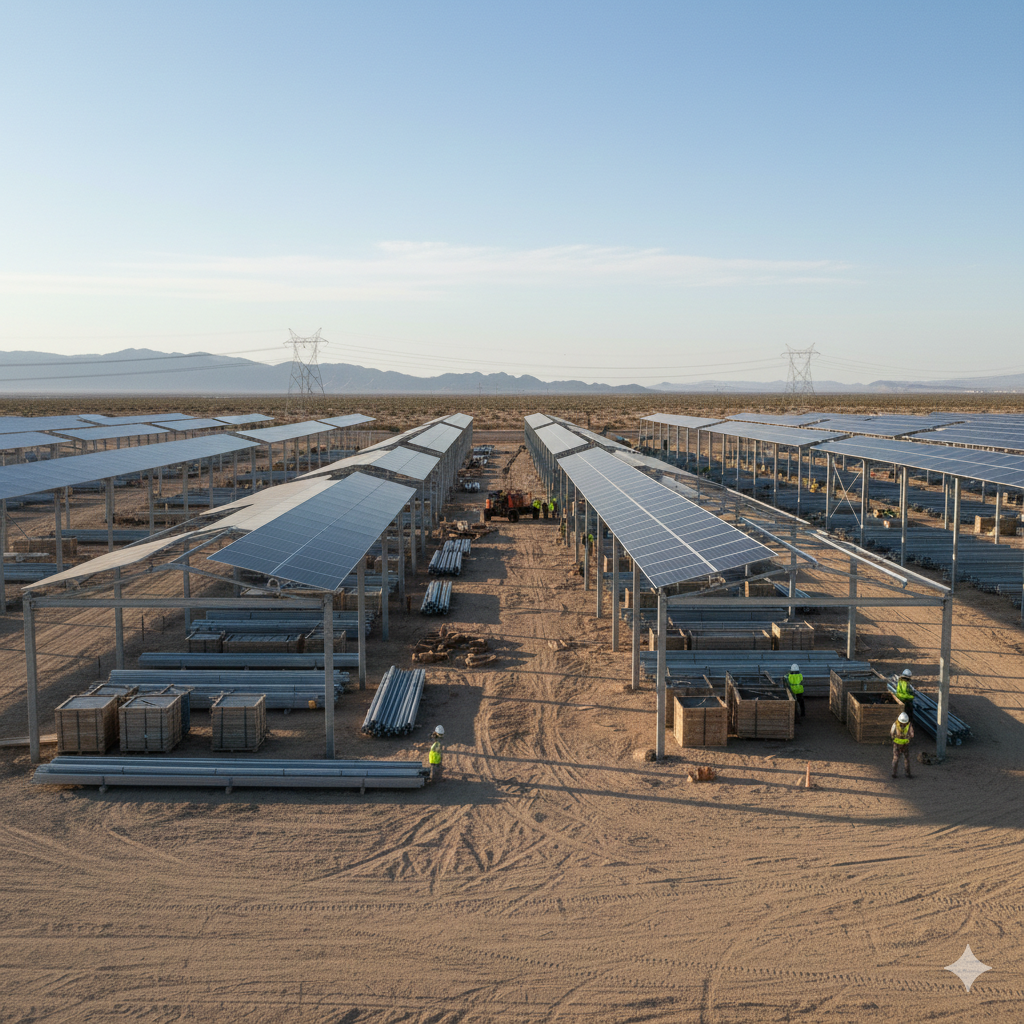
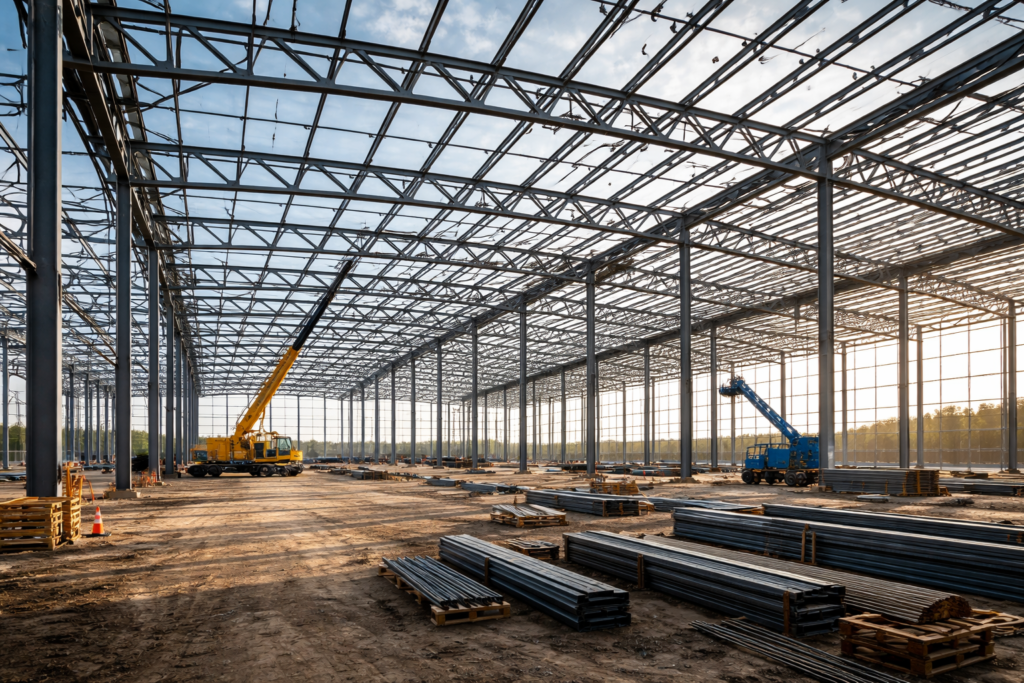
PEB – Pre-Engineered Buildings

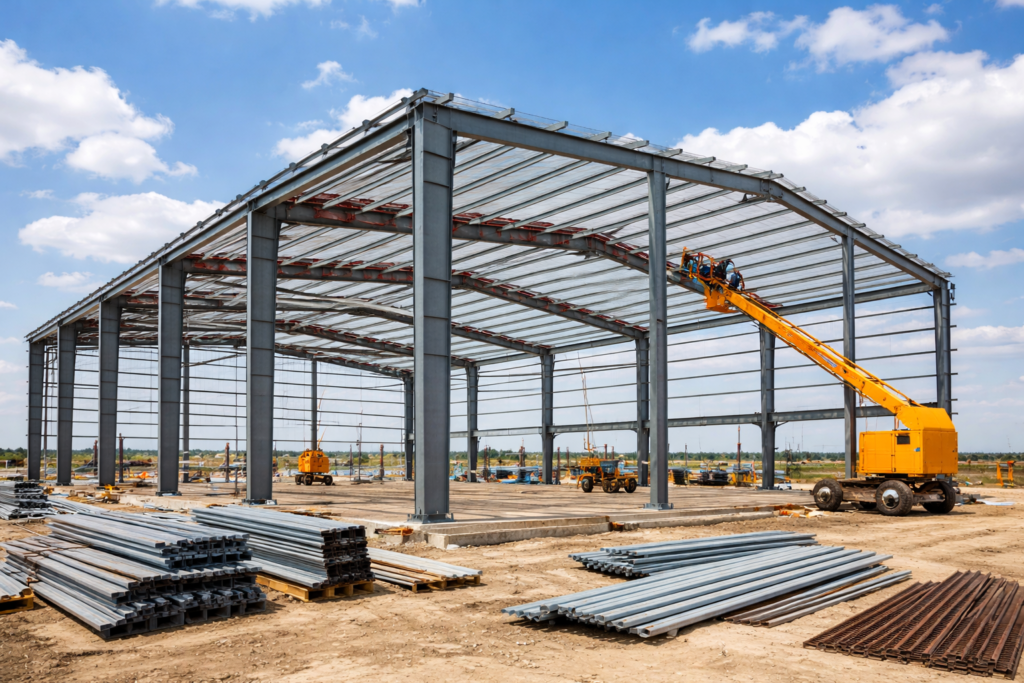
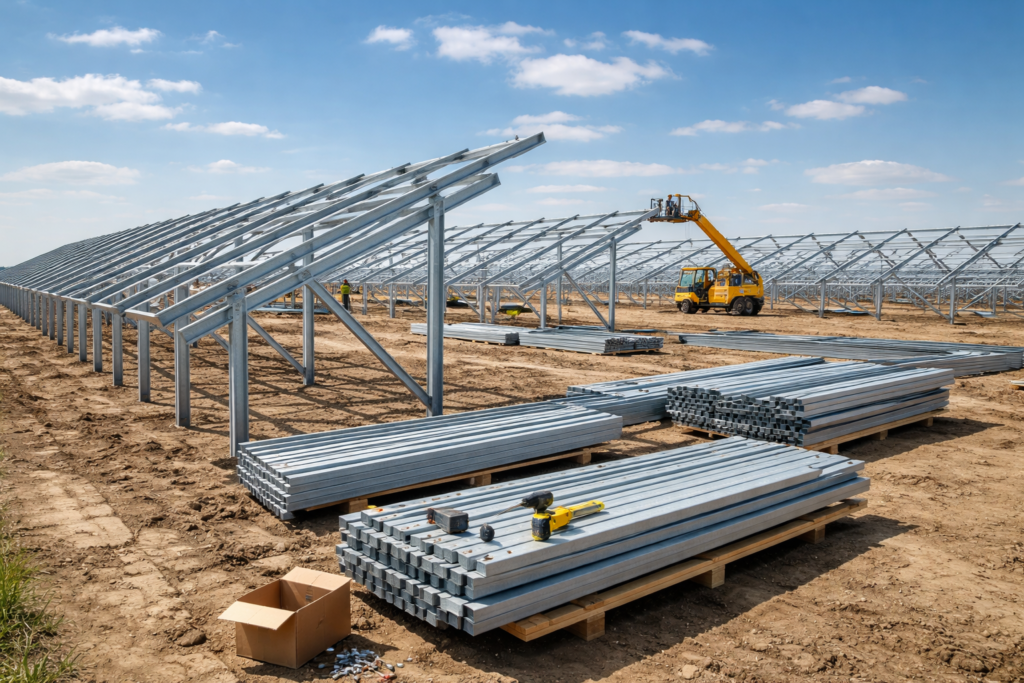
PEB (Pre-Engineered Buildings) are steel structures designed and fabricated in a factory, then transported to site for quick assembly. Unlike traditional construction, PEB systems are: PEBs are widely used for: Because components are engineered before fabrication, PEB structures offer high strength, reduced material waste, and faster project completion. Main Components of a PEB System PEB […]

PEB – Pre-Engineered Buildings Read More »
UNIVERSAL COLUMNS (UC)

Universal Columns (UC) are structural steel sections specifically designed for vertical load-bearing applications. They have: Universal Columns are mainly used as: Because of their balanced shape, UC sections provide excellent stability under heavy vertical loads, making them ideal for column applications. 📊 Common Universal Column Sizes in the Kenya Market Universal Columns are designated by

UNIVERSAL COLUMNS (UC) Read More »

UNIVERSAL BEAMS

Universal Beams (UB), also known as rolled steel joists (RSJ in older terminology), are structural steel beams with a wide flange and high load-bearing capacity. They are designed primarily for horizontal load support, making them ideal for: Universal Beams are known for their excellent bending resistance, structural efficiency, and durability, making them one of the

UNIVERSAL BEAMS Read More »

H-BEAMS

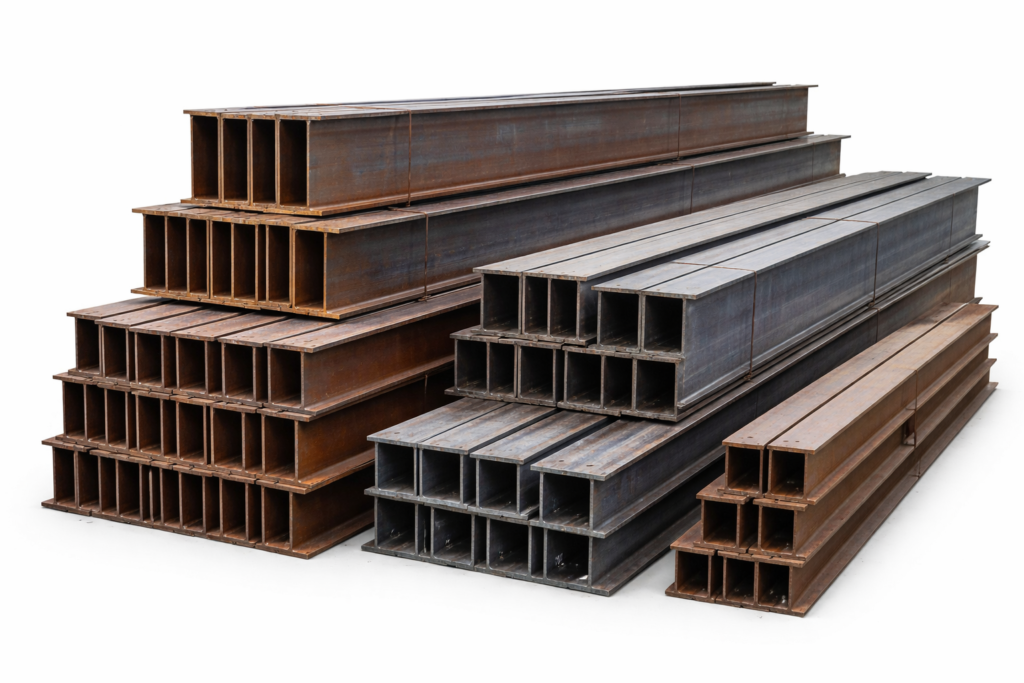
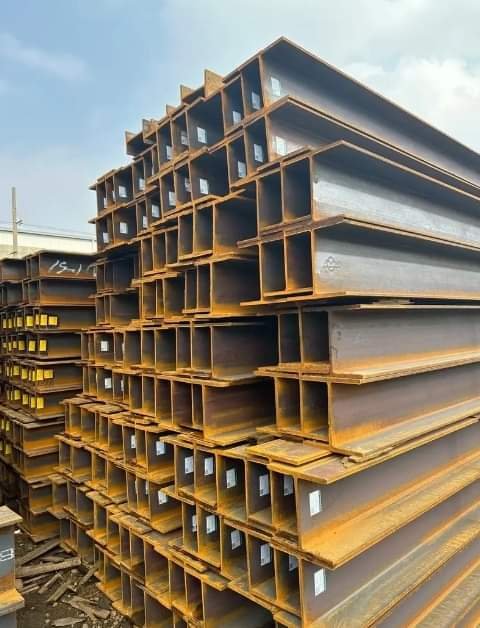
H-Beams are structural steel sections with a wide flange and thicker web, forming a strong “H” shape. Compared to standard I-beams, H-beams have: They are commonly used in: Because of their balanced design, H-beams perform exceptionally well as columns and main structural supports. 📊 Common H-Beam Sizes in the Kenya Market H-Beams in Kenya are

H-BEAMS Read More »

I-BEAMS

I-Beams are structural steel members with an “I-shaped” cross-section designed to carry heavy loads over long spans. The vertical section (web) resists shear forces, while the horizontal flanges resist bending forces. They are widely used in: I-beams are valued for their high strength-to-weight ratio, durability, and efficient load distribution in structural construction. 📊 Common I-Beam

I-BEAMS Read More »

IPE Beam

IPE stands for I-section with Parallel Flanges – European standard. It’s a type of structural steel beam with an “I-shaped” cross section and parallel flanges that give it excellent strength and stiffness for carrying loads in construction and structural frameworks. These beams are widely used for building frames, columns, bridges, platforms, and other load-bearing steel

IPE Beam Read More »

H-beams

An H-beam is a structural steel section shaped like the letter H when viewed from the end. It has: The wide flanges help the beam resist bending. The web helps resist shear forces. Together, they create a strong section that performs well in heavy construction.

H-beams Read More »

H-beams

An H-beam is a structural steel section shaped like the letter “H” when viewed from the end. It has: H-beams are designed to resist bending and carry loads over spans, while also performing well as columns because of their strong, balanced shape. You may also hear terms like: Naming depends on the supplier and standard

H-beams Read More »

J-Bolts

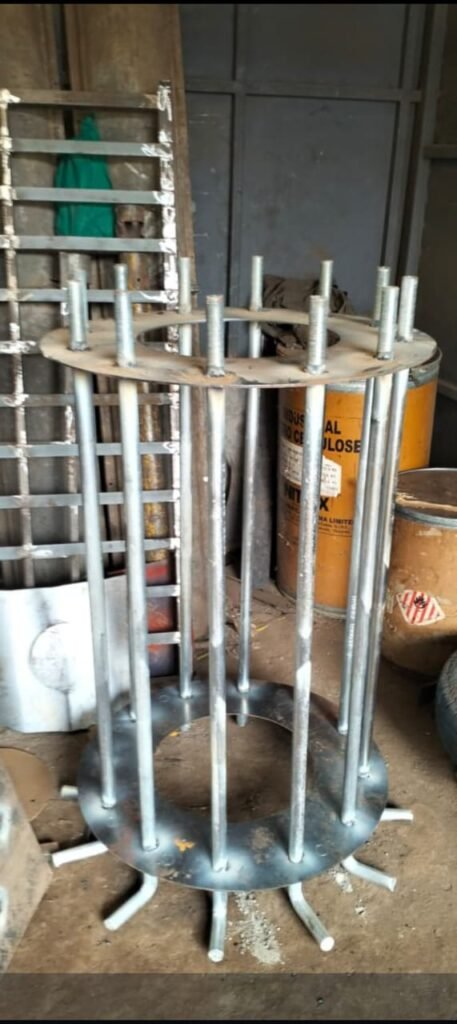
Common types of foundation bolts 1) L-Bolts (L-shaped anchor bolts) These are the most common in general steelwork. The “L” hook at the bottom helps the bolt grip the concrete. Best for: columns, light structures, canopies, fencesPros: simple, affordable, easy to sourceWatch out: need correct embedment depth and proper spacing 2) J-Bolts (J-shaped anchor bolts)

J-Bolts Read More »

BOLTS

The Tiny Parts That Hold Big Structures Together If you’ve ever looked at a steel structure, a gate, a car, a water tank tower, or even a simple shelf and wondered “what’s actually holding this together?”, the answer is often bolts. Bolts might look small, but in engineering and construction they are serious business. A

BOLTS Read More »

Shopping Cart